

456,000 Basotho Living with Mental Health Conditions
18 June 2026 by Monyane Khau
Approximately 456,000 people in Lesotho are living with mental health conditions, according to the draft Lesotho Mental Health Policy 2025–2035.
The policy estimates that 19 percent of the country’s population—about 2.4 million people—experiences mental health conditions, including depression, anxiety, psychotic disorders and substance use disorders.
“Lesotho mirrors this regional trend: although approximately 19 percent of its population experiences mental health conditions—predominantly depression, anxiety, psychotic disorders, and substance use disorders—its health system has historically prioritised physical health, often sidelining mental health in policy development, financing, and service delivery,” reads the policy draft.
The policy further notes that mental health challenges are worsened by poverty, unemployment, gender-based violence and the ongoing HIV/AIDS epidemic.
“These challenges contribute to high levels of psychological distress and poor mental health outcomes.”
The draft policy is currently being validated by stakeholders during a two-day meeting, from 18 to 19 June 2026, in Sehlabeng-sa-Thuoathe, Berea. It seeks to address the country’s growing mental health burden by advocating for increased funding for the Department of Mental Health within the Ministry of Health.
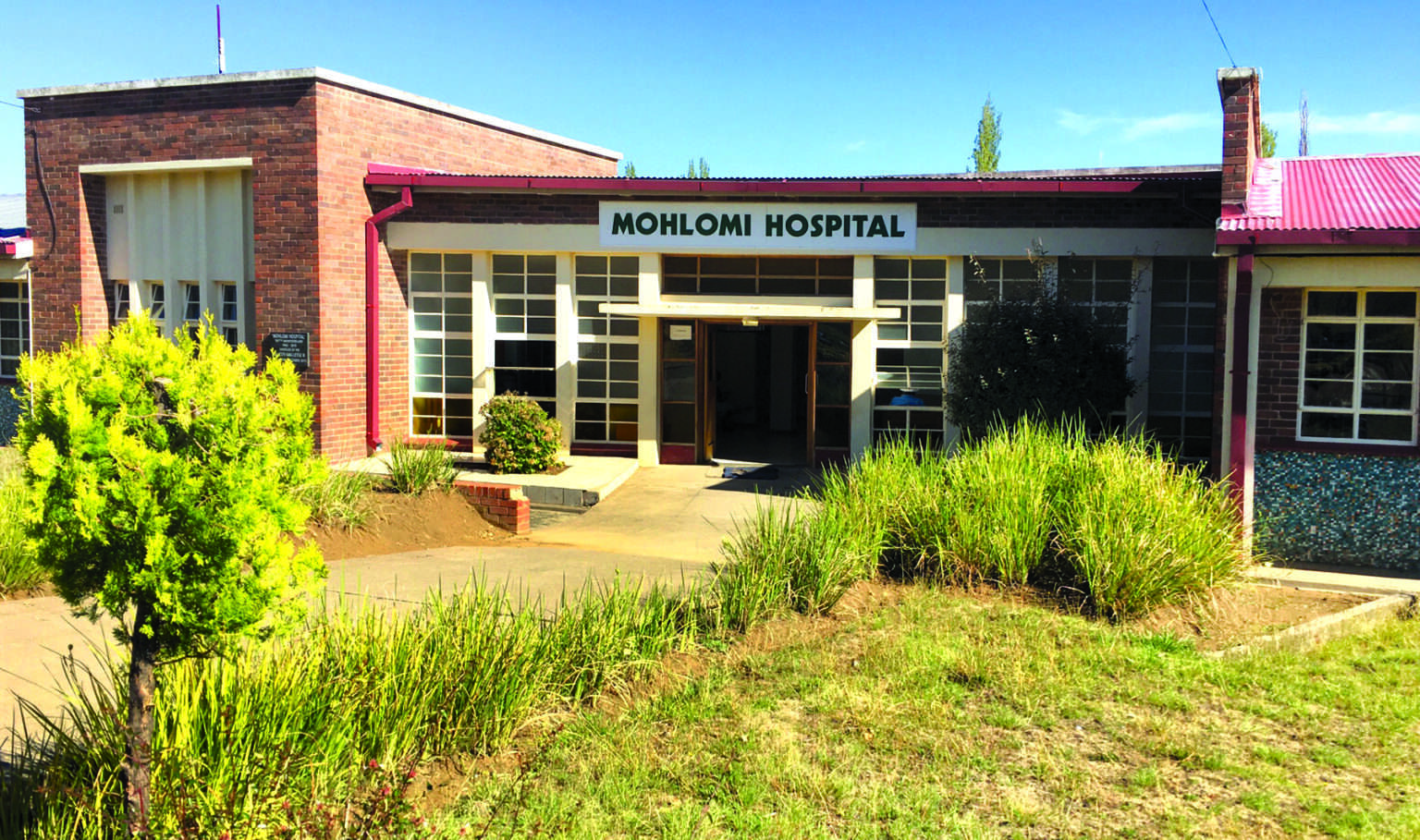
According to the draft, Lesotho’s mental health services remain heavily centralised at Mohlomi National Psychiatric Hospital, the country’s only specialised mental health facility. While the hospital plays a critical role, it faces immense pressure to serve the entire population and continues to experience chronic underfunding.
Mental health care at district level remains severely underdeveloped, with shortages of dedicated infrastructure, specialised personnel, psychotropic medicines and therapeutic services.
The policy notes that mental health currently accounts for nearly two percent of Lesotho’s health expenditure, despite health spending representing about 10 percent of the country’s Gross Domestic Product (GDP). Of the limited mental health budget, 82 percent is consumed by the operational costs of Mohlomi Hospital.
“This leaves exceedingly scarce resources for essential preventive mental health programs, the development of community-based mental health services, and the strengthening of mental health capacity at the crucial district level.
“Such a skewed allocation hinders the accessibility and decentralisation of mental health care, concentrating resources on tertiary, hospital-based services at the expense of early intervention and community-level support.”
To address these challenges, the policy advocates for the recruitment and training of psychiatrists, medical officers, psychiatric nurses, psychologists, social workers, occupational therapists, community health workers and counsellors.
If adopted, the policy would require the Ministry of Health to strengthen staffing at primary, secondary and tertiary levels of care while expanding mental health training opportunities for health workers. The proposal also calls for routine supervision, mentoring and continuous professional development.
Lesotho currently faces a severe shortage of mental health professionals.
At Mohlomi Hospital, a small workforce attempts to meet the country’s mental health needs. The facility has approximately four psychologists, one occupational therapist, four social workers, sixteen psychiatric nurses, thirteen general nurses, fourteen nursing assistants and seventeen ward attendants. An additional three psychiatric nurses are assigned to the national MDR-TB programme in Maseru.
The shortage is even more pronounced in the districts.
“Across the entire country, there are only 41 psychiatric nurses, typically with just one stationed per hospital. This severe human resource gap leaves most individuals with mental health conditions, particularly those residing in rural and remote areas, without access to specialised care, compounded by challenges such as long travel distances, deep-rooted stigma.
“Compounding this already dire situation is the significant neglect of child and adolescent mental health, with no dedicated general pediatric wards or inpatient mental health services available for this vulnerable population, even at Mohlomi Hospital, despite their considerable mental health needs.
“In the absence of formal services, the draft policy indicates that community members often seek support from pastoral counselors or traditional healers, highlighting the existing gaps in the formal healthcare system.”
The draft policy further identifies major leadership and governance challenges within the mental health sector.
It notes that Lesotho currently has no locally trained psychiatrist and that mental health oversight at the Ministry of Health headquarters is largely managed by a single official—the Acting Director of Mental Health, Dr. Thabo Mokhothu.
“This limited capacity at the central level has likely contributed to the protracted delays in policy development and endorsement,” the draft states.
According to the policy, a national mental health policy and strategic plan were first drafted in 2006 but were never finalised or officially adopted.
The document also points to the outdated Mental Health Law of 1964 as a significant obstacle to reform.
“Adding to the governance complexities is the outdated Mental Health Law of 1964, which not only fails to align with current international human rights standards but also emphasises institutionalisation over community-based care and lacks crucial systems for independent oversight and accountability, further hindering the development of a rights-based and progressive mental health system,” reads the policy draft.
