
Three Breastfeeding Women Infect Their Babies with HIV After Stopping HIV Treatment
1 July 2026 / Editor’s Note
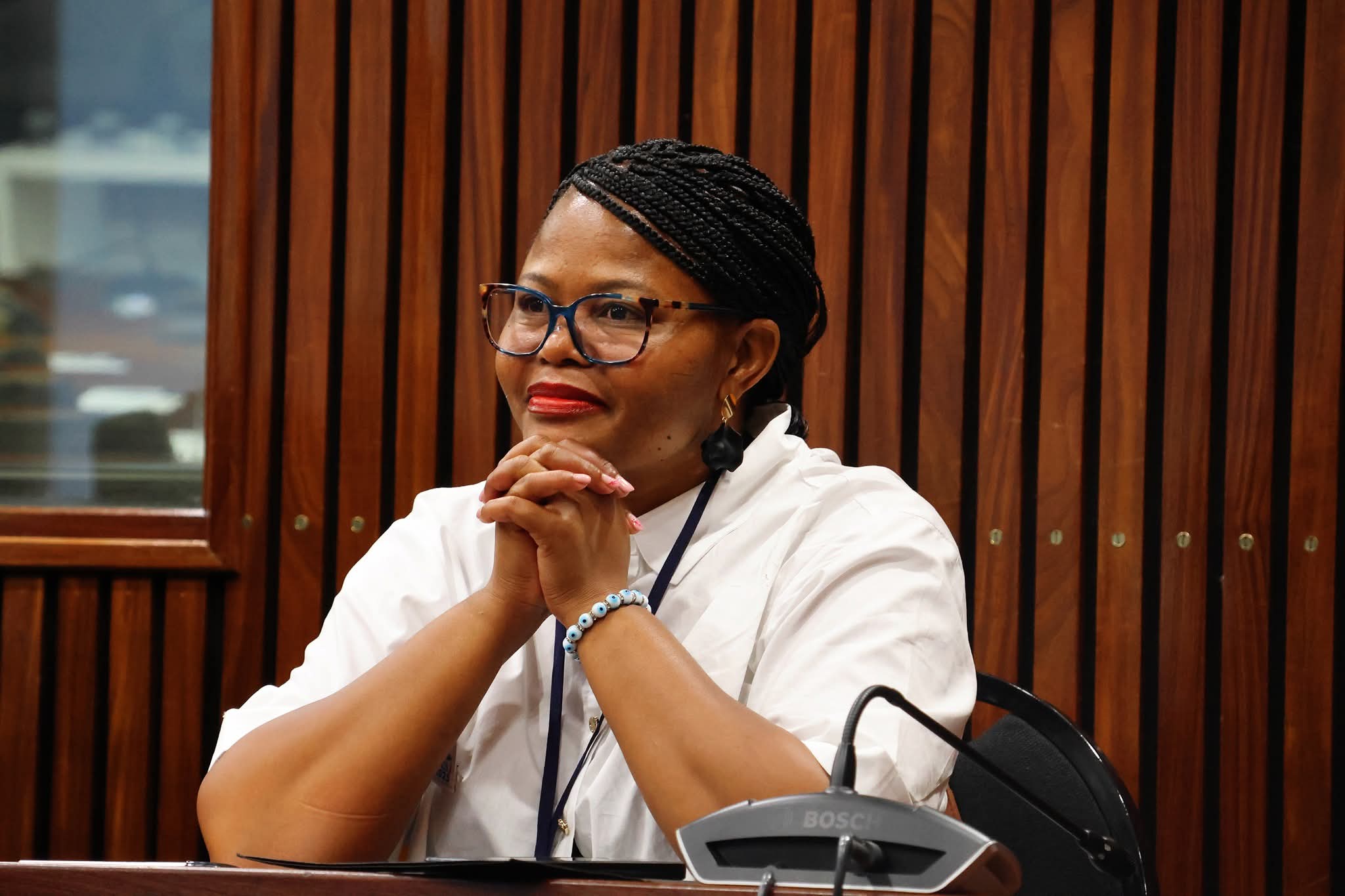
A few days ago, I sat behind my camera and in front of Molemo Makhetha, a representative from the Meeting Targets and Maintaining Epidemic Control (EpiC) Project.
Makhetha stood tall in front of about 50 people to share results from working in communities across Maseru, Mafeteng, Mohale’s Hoek and Thaba-Tseka for four months from October 2025.
During these four months, the EpiC Project was implementing a Back-to-Care Campaign, which relied on 2024 data that revealed how many people living with HIV had stopped taking their ARVs. There were slightly over 9,000, and around 7,000 were successfully brought back to care.
But 2,052 were still missing. As you know, in HIV care and treatment, one person left behind is just too many, let alone 2,052 people.
So, the Back-to-Care Campaign came in to specifically look for the 2,052 people whom previous efforts to trace and link back to care had missed in these four districts. The campaign successfully brought 1,802 people back to treatment in just four districts within four months.
Among them were three women I want us to anchor this opinion piece on. But first, I want us to give them names, because behind every statistic is a human being, one with a unique experience that tells us about the uniqueness or individuality of HIV treatment. So we shall call them Testing, Results and Treatment.
Because we don’t really know their unique stories, I want to assume that when Testing, Results and Treatment received their positive HIV results, they were either pregnant or not, but later fell pregnant and delivered their babies while they were on ARVs. This means that their viral load was so suppressed that it was undetectable. Their children were born HIV-negative, what a relief and proof that science works.
But something we really do not know happened that made them stop taking their ARVs while they were breastfeeding their HIV-negative babies.
“As much as we don’t want children infected, we already had three children who were infected. These children were born to mothers who had interrupted treatment during the breastfeeding phase.” As Makhetha said this, my heart sank for these babies.
As mentioned earlier, I honestly do not know what made Testing, Results and Treatment stop their treatment. Maybe it was fatigue, stigma, the long distance between their homes and health facilities, relocation, growing misinformation on HIV and ARVs, religion, or just laziness. But we know they stopped and infected their babies, in this age when medicine is available to protect babies from HIV infection.
We also know those three beautiful children did not deserve this. Each time they sucked their mothers’ breasts, they did so with trust that their mothers would protect them, even against a virus that ran through their mothers’ breast milk, the same way they protected them throughout pregnancy and during delivery.
If it was fatigue and stigma that made them stop, they have just exposed their children to the same things that made them stop in the first place.
If it is misinformation that made them stop, ethical journalism must step in to relentlessly teach our people about the importance of adherence. We must not take it for granted that there are vultures out there taking advantage of a silent moment to undo the good work those working in the health sector have done over the past decades.
But for journalism to stay alive and fill the gap in public health education, information must be easily accessible so we can digest and disseminate it in the best way we know—through simplicity that reaches the right audience. The Ministry of Health and all partners must not give journalists and content creators the runaround when we seek verified information. If there is anything that COVID-19 taught us, it is that science must be accessible to the people, and scientists must partner with the media and community leaders to reach people with verified messaging.
If there is anything that the 2017 measles and rubella vaccination campaign taught Lesotho, it is that when the media is not included in messaging development and rollout plans, we add petrol to the fire and cause more damage. Training us alone is not enough; give us timely information. The bureaucracy we have to go through just for a two-sentence response discourages us. Let’s not be a reactive nation; let’s work together to lead our nation into good health. As former Minister of Health, Selibe Mochoboroane, previously said, healthcare workers must be held accountable for one lost patient. Let us not wait for a big number.
I am not just saying journalism must fill the gap. This is not rhetoric; it is work that my team and I have been doing since I co-founded Uncensored News three years ago.
At Uncensored News, a digital news outlet that specialises in health and environmental reporting, we have a policy of providing weekly educational talks on health and the environment.
We do this so we can fill the gap by constantly reminding people about the importance of self-care, trust in science, and empowering them with evidence-based reporting so they can seek clarity where knowledge is limited or champion accountability.
I firmly believe that when empowered journalists report from their communities, lives are often saved through the timely spread of accurate and accessible health information. Consistent public interest journalism can help close information gaps, counter misinformation, hold those in power accountable, and strengthen understanding of HIV treatment and adherence.
In that sense, stronger investment in public interest journalism and the steady flow of relevant, timely information could mean that fewer people like Testing, Results and Treatment fall out of care unnoticed or unsupported.
If you like the work Uncensored News is doing or simply want to see us improve, please contribute to our Public Interest Journalism Fund. Your contribution helps Uncensored News keep our nation informed through evidence-based reporting. We accept contributions through Nedbank Lesotho: 11990336867, M-Pesa: 51863 and EcoCash: 120668.
As an individual or company, you can also advertise with us at very competitive rates. Contact us at uncensored.news.lesotho@gmail.com for a quote.
The good news is that the stories of Testing, Results and Treatment did not end in permanent loss to care. Through the Back-to-Care Campaign, they were traced, counselled and successfully returned to HIV treatment. That means they now have another opportunity to suppress the virus, protect their own health and prevent further HIV transmission.
Their return to care also reminds us that no one should be written off in HIV programming. When communities, healthcare workers and development partners work together to find those who have fallen out of care, lives can still be saved.
But the same campaign also exposes a painful gap: by the time some people are traced back, preventable harm has already occurred. The three babies who acquired HIV during their mothers’ interruption of treatment are a reminder that returning people to care is only one part of the solution—keeping them in care in the first place is just as critical.
