

Are You Eating Enough Fruits and Vegetables? Only 2.7% of Basotho Do — Too Little Could Put You at Risk of Non-Communicable Diseases
10 August 2026 by Limpho Sello
“Today, non-communicable diseases (NCDs) account for 32 percent of all deaths in the Kingdom of Lesotho.”
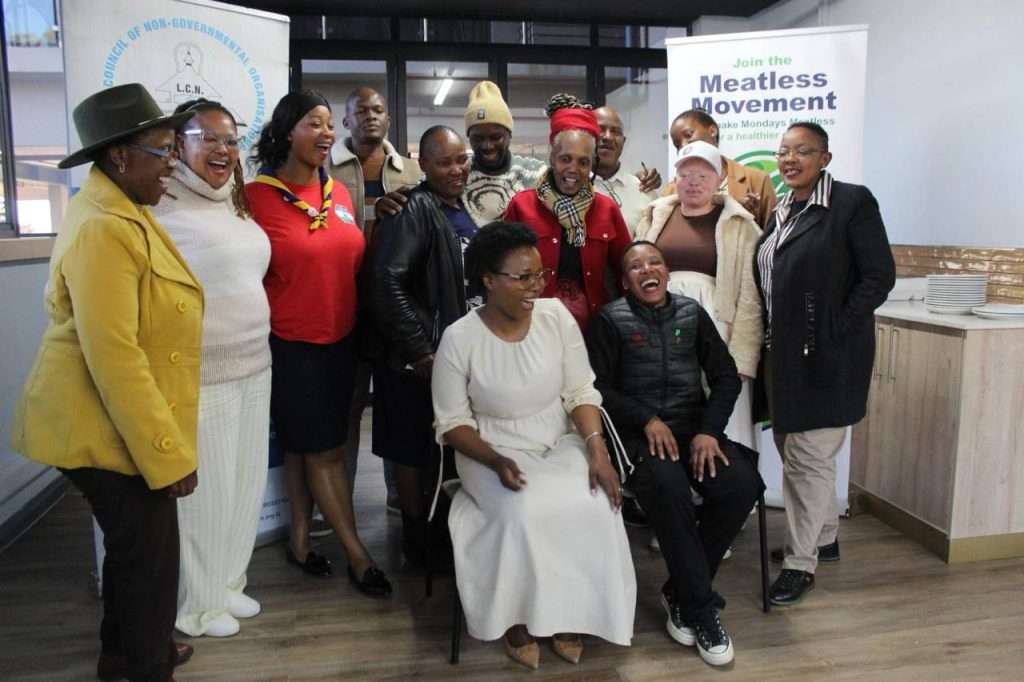
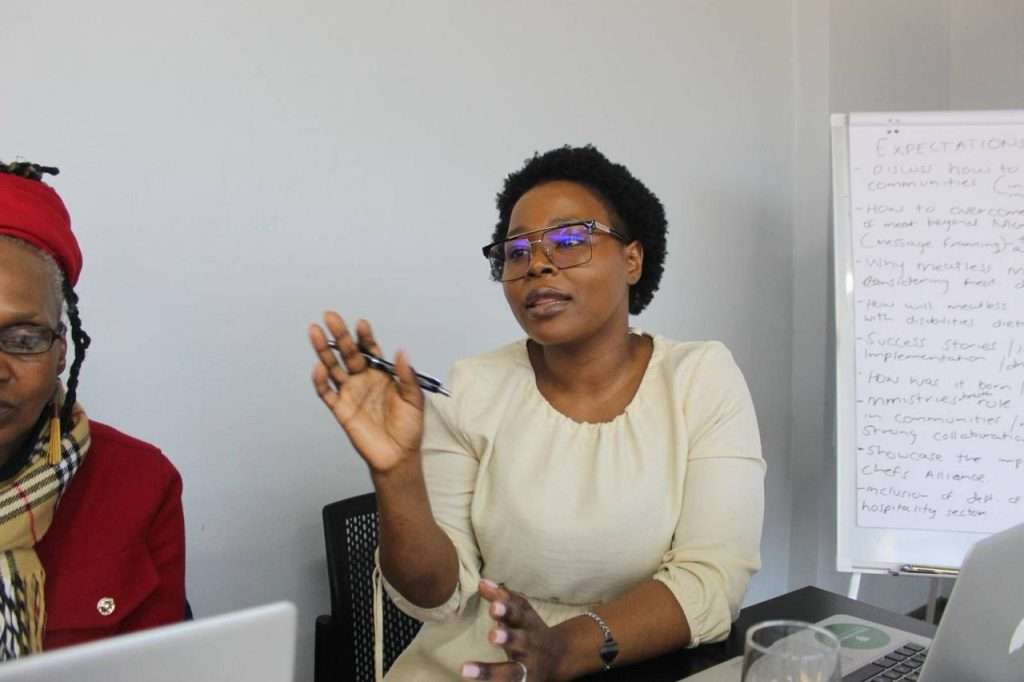
The words of Nhlanhla Ngomane, Technical Assistance for the Meatless Monday Project, hung over a quiet conference hall in Maseru. There public health officials, civil society leaders and culinary experts gathered for a national launch meeting to confront a silent crisis ravaging Lesotho.
It is a compounding public health emergency: undernutrition, widespread micronutrient deficiencies and skyrocketing rates of lifestyle-related diseases are now striking the same households.
The problem: A triple burden of disease, poverty, and unhealthy diets
Presenting baseline landscaping data drawn from 21 national and international studies. These include the Ministry of Health and ICF 2023–2024 Demographic Health Survey, Food and Agriculture Organisation (FAO) reports, and Lesotho’s Bureau of Statistics data.
Drawing from these datasets, Ngomane mapped out the severe public health threats currently facing Basotho.
“Today, non-communicable diseases (NCDs) account for 32 percent of all deaths in the Kingdom of Lesotho. Hypertension affects 21 percent of adults, while 11.2 percent of women and 9.1 percent of men live with diabetes. Furthermore, 37 percent of Basotho are overweight or obese, with the rate surging to 55 percent among women,” Ngomane said.
“This rise in NCDs co-exists alongside severe undernutrition and developmental issues among children. The data reveals that 36 percent of children under five are stunted, 13 percent are underweight, and 2 percent suffer from wasting.”
He explained that only 50 percent of toddlers aged 16 to 23 months meet the minimum dietary diversity required for healthy growth.
“From the data and reference papers, we found that there is a very low vegetable and fruit uptake in Lesotho—only 2.7 percent of Basotho eat the required amounts of vegetables and fruits,” Ngomane revealed during his presentation.
“At the same time, poor growth, chronic illness, and excess weight co-exist in the Kingdom.”
Ngomane added these nutritional deficits are compounded by severe socio-economic vulnerabilities. He delivered this chilling revelation on 4 August 2026, during the official inception of the Meatless Monday project in Lesotho.
The meeting will be followed by the finalisation of critical work documentation required to guide the project’s rollout across the country’s districts.
Expected to run until 2028, the Meatless Monday initiative is coordinated locally by the Lesotho Council of NGOs (LCN) in partnership with the Centre for Community Impact (CCI). The date parameters and project timeline establish a long-term commitment to reshaping the nation’s food security and public health landscape over the next years.
Eating kotas
He said an estimated 700,000 people in the region face acute food insecurity between 2024 and 2025, driven by climate droughts, seasonal supply shocks, and high food inflation. With a national poverty rate hovering near 50 percent—and reaching 60 percent in rural areas—56 percent of Basotho women simply cannot afford a basic nutritious meal.
On the same note, CCI Meatless Monday Project Specialist Enele Zulu explained, “As a result, many families rely on cheap, highly processed fast foods laden with unhealthy fats, sodium, and refined sugars.
“Corner to corner in this food hub, you’ve got *kota*, you’ve got meat, but you don’t see a balance or the incorporation of nutritious foods,” Zulu said.
She added: “We’ve seen a steep decline in vegetable consumption because fast food is so highly available.”
Not anti-meat nor vegan movement
To tackle this multi-layered crisis, experts at the launch emphasised that solutions must move beyond simple prohibitions and focus instead on practical, culturally grounded food education and local production.
Grounded in World Health Organisation (WHO) guidelines, the project advocates for diet quality substitution—replacing excessive processed meats and saturated fats with legumes, vegetables, whole grains, and healthy unsaturated fats, while curbing sugar and salt.
Speaking with emphasis on contextual and balanced messaging, Ngomane explained that the Meatless Monday movement in Lesotho is not an anti-meat or vegan campaign, but a strategy to restore dietary balance without worsening existing nutrient deficiencies.
“This program is not designed to eliminate meat, but to say that we need to make sure our plate is proper,” Ngomane explained.
“Reducing meat alone does not solve the problem. If we miss the cultural aspect of our work, we tend to speak way over people’s heads. We must test the program, refine it, and adapt it to the local environment.”
This nuance was strongly supported by health officials concerned about existing nutrient deficits.
“I am very cautious given the burden of disease we have; we are currently fighting anemia at all stages,” stated Senior Nutritionist Tsongoane Mpota from the Ministry of Health’s Nutrition Department.
“We are exposed to a lot of unhealthy processed foods which we need to reduce. How we frame our messages and who we target must be very intentional so we don’t end up creating another issue.”
Addressing these concerns, Zulu clarified: “When we speak about Meatless Monday, we are not promoting veganism or eliminating animal proteins. It is about dealing with excessive meat consumption without vegetables and addressing the decline in vegetable intake to restore balance to our plates.”
Plant proteins
In response, a local consultant, Dr Mosiuoa Ramakoele, said a key element of the solution lies in educating households on cost-effective, highly nutritious alternatives to expensive commercial meats.
“With a huge level of protein deficiency, if I have M200, I might decide to buy a braai pack, eat the protein in one day, and then we are done,” Dr Ramakoele noted.
“But if I have been empowered with knowledge, I can buy plant-based protein with that same amount of money that can last my family for two weeks. Protein deficiency does not have to be associated only with eating meat.”
Slow Food Lesotho Cook, Mahlao Maema, argued that plant-based diets can be appealing. She said culinary advocates are working to shift public perceptions around traditional foods like beans, sorghum, and indigenous greens, which carry negative associations for some.
“Some people vow they will never eat beans again because of bad experiences eating pest-infested beans at school hostels,” Maema shared.
“It has become our job in the Cooks Alliance to infuse creativity and influence cooks to bring indigenous foods back to our plates. Our age mates are passing away leaving parents behind because of lifestyle diseases. The sooner we come back to relatable food that our elders lived by, the better.”
Chef Sekamotho Moteane, National Coordinator for Slow Food Lesotho, emphasised the power of creative storytelling: “We tell stories and pass messages through food.”
She added: “It’s up to us to find nice, catchy ways to promote healthy eating on Mondays without coming across as anti-meat, showing people how to prepare delicious traditional dishes.”
Policy alignment and local production
Dr. Mamotheo Manemo, Director of the Food and Nutrition Coordination Office (FNCO) in the Prime Minister’s Office emphasised that long-term sustainability requires connecting consumer demand directly to local farming and institutional support.
“How about if we encourage eating traditional food several days of the week in public spaces?” Dr Manemo suggested.
“If we encourage indigenous food to be eaten more, we reduce reliance on imports, automatically improve our local economy, and raise the health standards of our people.”
To ensure families can afford these changes, partner organisations like Slow Food are linking the initiative to sustainable home gardening, providing seeds and agricultural training so communities can grow their own food.
Dr Ramakoele and the team stressed that for health solutions to educate the entire nation, communication must reach every citizen without barriers.
On her part, Mpho Maile from the Lesotho National Federation of Organisations of the Disabled (LNFOD) urged that: “We need language interpreters for deaf people to ensure they access health information, and for visually impaired people, materials must be written in Braille or large print.”
