
New Weather Warnings to Help Basotho Protect Their Homes, Crops and Lives
2 September 2026 by Limpho Sello
At the heart of a major shift in how weather information will be shared in Lesotho is co-production—a collaborative approach in which forecasters, sector experts and local leaders work together to turn raw weather predictions into clear, life-saving warnings.
Rather than issuing isolated technical forecasts that leave communities guessing, the Lesotho Meteorological Services (LMS) says the goal is to create warning tools that clearly explain what the weather could mean for people’s homes, crops and livelihoods.
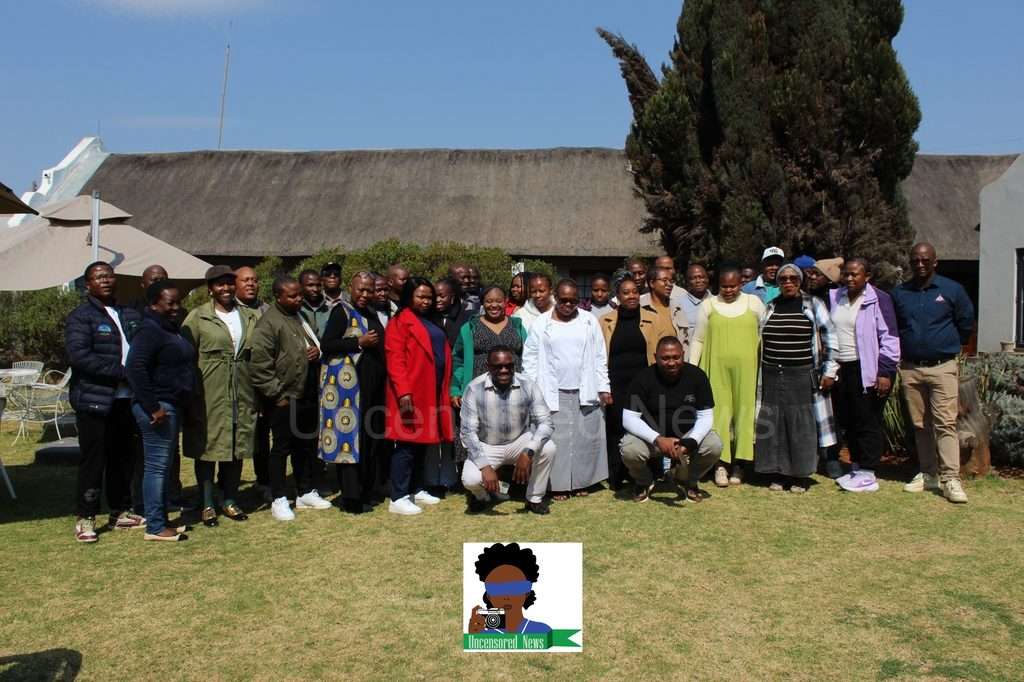
To put this co-production framework into practice at the district level, the LMS and the Disaster Management Authority (DMA) brought stakeholders together for the Sub-National and Technical Co-Production Workshop held in Leribe from 31 August to 4 September 2026.
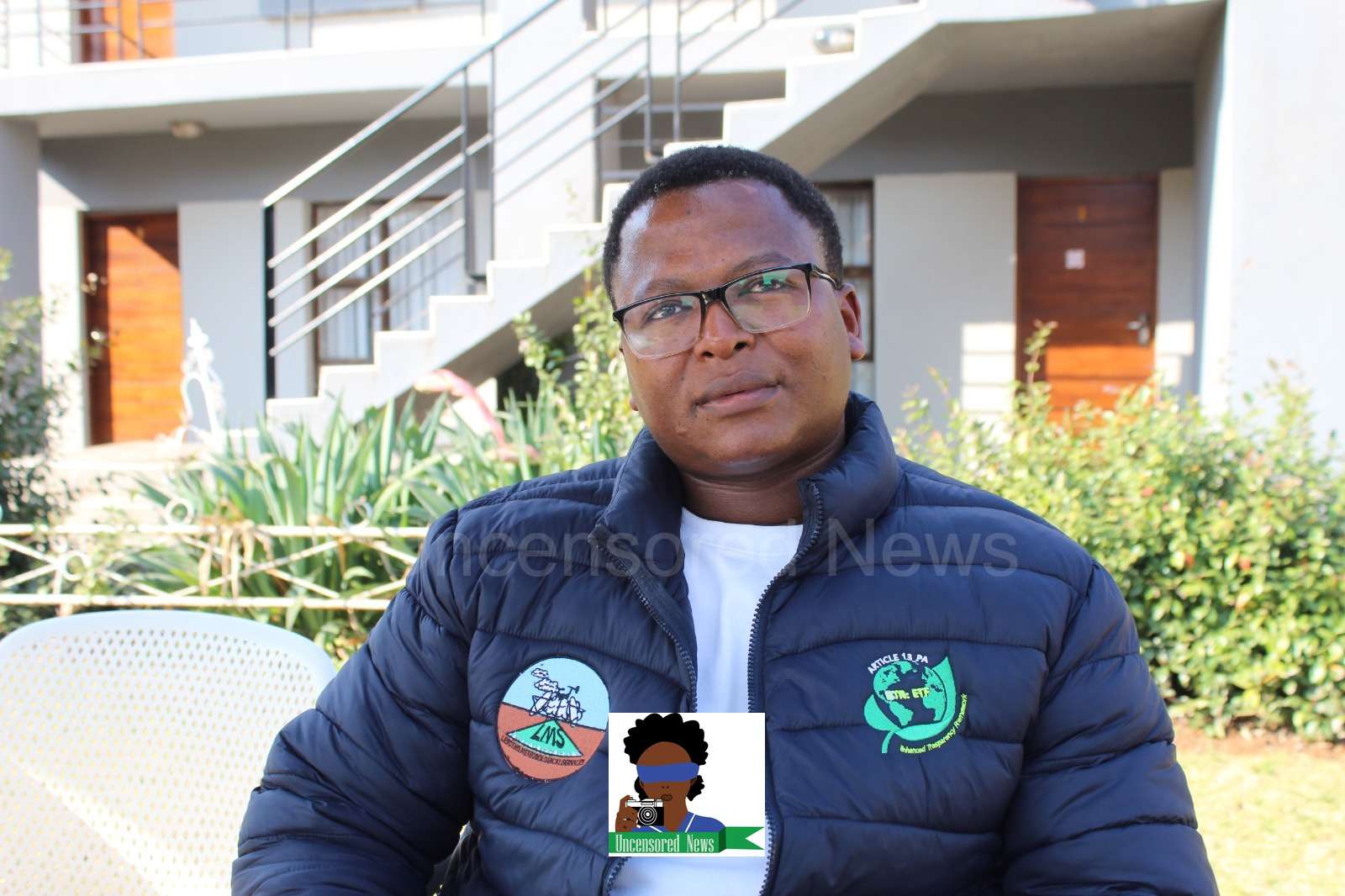
Moahloli Ntele is the Head of the Research and Innovation Development Section at the LMS and National Coordinator for Impact-Based Forecast and Warning Services (IBFWS). On the sidelines of the workshop, Ntele told Uncensored News that the gathering represents a key transition from national-level planning to district-level implementation.
“This week’s activity on Sub-National and Technical Co-Production for Action-Based Forecasting aims to move beyond the stakeholder mapping stage. We are now engaging people at the district level to gather their input and consult with them on action-based forecasting,” Ntele said.
He said the project would work with districts across Lesotho to jointly develop warning tools, such as warning templates and tables, which are expected to be completed by the end of the project. The co-production process will begin in Leribe and initially focus on two hazards: cold waves and heavy rainfall.
“It remains a major part of co-production. We already had these Impact-Based Forecasting and Action-Based Forecasting products that we developed at the national level with other stakeholders, such as impact tables and risk matrix tables.
“But now we need to include inputs at the sub-national level in these products so that our impact tables for cold waves or heavy rains, when we begin to pilot them, contain information from both the national and sub-national (district) levels,” Ntele said.
He indicated that the WISER Action First Lesotho Co-Production Project—an initiative under the global WISER programme focused on Africa—is working to strengthen early warning services across Southern Africa, with Lesotho among the implementing member states in the region.
As part of the broader IBFWS initiative, he said the project seeks to ensure that forecasting involves every level of society, from national government ministries, the private sector, academia and civil society organisations to community-based groups and marginalised communities.
Ntele, who is also the Action First Lesotho Project Lead, explained that the project is moving away from the previous approach to forecasting. Previously, the LMS would issue a weather forecast, after which the DMA and other sectors would act in whichever way they could, without a process to show that there had been prior consultation before the forecast was released to the public.
Simplified information
On her part, Mabokang Tsiame, the Leribe District Crop Production Officer from the Ministry of Agriculture, Food Security and Nutrition, stressed how uncoordinated or late information can directly affect harvests.
“Whenever there are severe weather events, production drops significantly, even if people planted extensively. There is some compensation where a few farmers might harvest something small, but most get very little when severe weather hits. It reduces overall production tremendously,” Tsiame said.
For Tsiame, the co-production workshop in Leribe highlights the importance of weather updates that give farmers clear and actionable timelines.
“When weather forecasting reaches many people and they can understand it, it helps us put in place mitigation or response measures. Accurate weather forecasts allow farmers to plan their planting and land preparation properly based on the forecast.
“So they can schedule planting so that by the time a hazard occurs, crops are past their most vulnerable stages and won’t be severely damaged by adverse weather.”
Real-life impacts
Echoing the need for actionable updates, Chief Malefetsane Moliboea of Khanyane and Ha-Mikia the training was helping participants understand what weather forecast figures mean in real life.
Instead of simply hearing about the probability or amount of rainfall, Moiboea communities would be able to understand the potential impact, such as damaged bridges, falling rocks or strong winds blowing off roofs.
“As a chief and Urban Council member, it will now be much easier to explain these concepts to my people in our various community settings. I believe they will understand much more easily when it is clearly translated by someone close to them, rather than a technical expert whose explanation might be hard to grasp,” Moliboea said.
He emphasised that villagers have traditionally relied on animal behaviour or cloud patterns, which are not always reliable.
“Furthermore, unrepresented local groups such as herders and farmers’ associations often miss out on structured communication,” he said.
Meanwhile, Tsiame said the ongoing training had opened her eyes to the interconnectedness of work done by different stakeholders.
“We all serve the same community member, just under different terms – health calls them a patient, while we call them a farmer. Being part of this helps us understand forecasts better so we can pass clear, actionable information to the public in a way they easily understand.”

1 Comment
An Engaging Blog Post