
Patients in Urgent Need of Blood Transfusions Left Stranded by Reagent Shortage
10 November 2026 by Limpho Sello
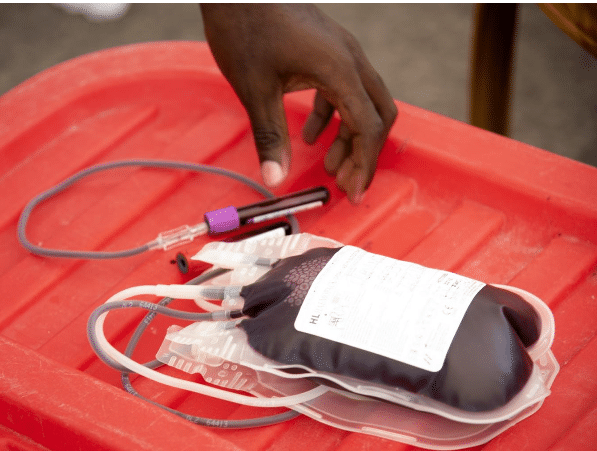
For ten full days, patients requiring urgent blood transfusions could not receive this lifesaving treatment because the Lesotho Blood Transfusion Services (LBTS) had run out of reagents needed to test donated blood for HIV, syphilis, hepatitis B and hepatitis C.
LBTS Manager Mahloli Ratsiu told Uncensored News that the shortage compromised patient care, forcing health facilities across the country to postpone some hospital procedures and operations.
“People were not able to undergo operations because procedures were put on hold. For someone who is supposed to undergo an operation, blood must be available for transfusion immediately after the procedure. Without that blood, the person cannot be operated on,” Ratsiu said.
She added that women requiring Caesarean sections were also affected, with some going into labour uncertain whether blood would be available should they need it after delivery.
Other patients, including those with cancer, haemophilia and various medical conditions requiring blood transfusions, also faced compromised care at health facilities.
Ratsiu said the situation placed considerable pressure on the blood bank, as staff were unable to carry out their usual duties and struggled to reassure patients and health facilities.
“It caused us a lot of stress because, as a blood bank, our duties were on hold. We were not sure whether we were going or coming, and we did not know what hope to give to people who needed blood,” she said.
HIV, syphilis, hepatitis B and hepatitis C can be transmitted through blood. The World Health Organisation (WHO) recommends that all donated blood undergo rigorous screening to ensure the safety of the blood supply.
Fears of losing 400 blood units
Ratsiu said the blood bank had been without testing reagents from 19 October 2026 until 29 October 2026, when it received new supplies.
During this period, there were concerns about approximately 400 units of donated blood that had not yet been tested. Ratsiu said there were fears that the blood could expire in storage if the reagents did not arrive in time.
She explained that losing the blood would have been a significant setback for LBTS because purchasing blood bags comes at a cost, while collecting blood from donors also involves considerable administrative work. Blood drives conducted to replenish supplies could therefore have gone to waste.
Asked what had caused the shortage, Ratsiu said the blood bank still relied on an old, outdated machine to conduct blood tests. To address this challenge, LBTS had ordered a new machine that uses different testing reagents, hoping it would arrive before the reagents compatible with the old machine ran out.
However, this did not happen, forcing LBTS to order reagents compatible with the old machine. The order came slightly too late because the reagents are shipped from Germany.
A consignment of reagents sufficient to test 200 units of blood arrived in the country on 29 October 2026, ending the uncertainty surrounding the availability of blood for patients across the country.
The larger consignment, which was expected last week, has been delayed due to the South African elections. LBTS now expects it to arrive this week, by Thursday at the latest.
“We are expecting more reagents this week. The reagents for the 200 units have all been consumed, and we are waiting for another new consignment,” she said.
She added that LBTS had procured enough reagents to last until the new machine is installed.
However, the arrival of the consignment on 29 October 2026 allowed the blood bank to resume testing and issuing blood.
“The reagents arrived, and we started testing and issuing blood. We worked at night to ensure that we issue blood,” she said.
