
Sanitary Pads and Liners Safe to Use, Says Lesotho Medical Council
8 June 2026 by Monyane Khau
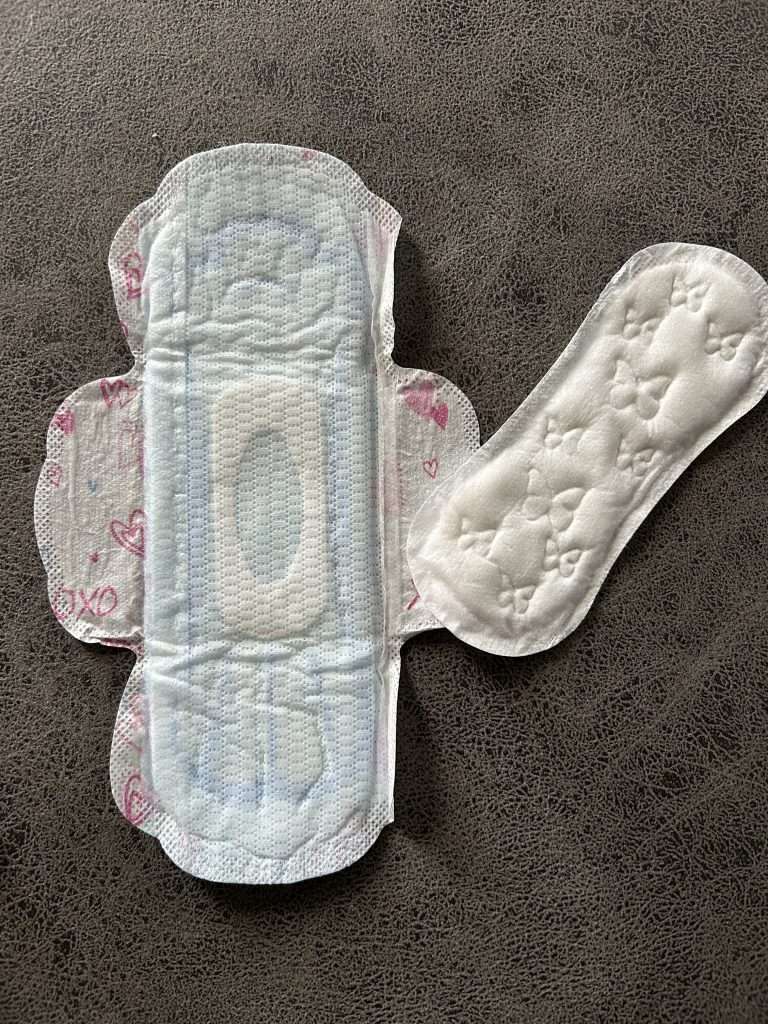
The Lesotho Medicines and Medical Devices Regulatory Authority (LeMeRA) has reassured the public that sanitary pads and pantyliners remain safe for use by women and girls during menstruation, despite a recent South African study detecting endocrine-disrupting chemicals (EDCs) in these products.
For advertising rates and partnership deals, please contact us on +266 63782619 or uncensored.news.lesotho@gmail.com, Pascalinah Kabi on +266 63503672 and Limpho Sello on +266 63360521
The reassurance follows a review of a study conducted by the University of the Free State (UFS) in South Africa titled “The Presence of Endocrine Disrupting Chemicals in Sanitary Pads: A Study Done in South Africa.” The research analysed 16 brands of sanitary pads and seven types of pantyliners sold in South Africa and found traces of endocrine-disrupting chemicals, including phthalates, bisphenols and parabens, in all samples tested.
According to the World Health Organisation (WHO), endocrine-disrupting chemicals are substances that interfere with the body’s endocrine system, which regulates hormone production and function. These chemicals can mimic, block or alter hormones, potentially affecting various biological processes and contributing to health problems.
Released in February 2026, the UFS study reported that detection rates of EDCs ranged from 75 to 100 percent in pantyliners and from 50 to 100 percent in sanitary pads. Researchers examined products commonly used by women, including some marketed as organic or free from harmful chemicals.
Given Lesotho’s close economic ties with South Africa and its reliance on imported consumer products, including menstrual hygiene products, the findings raised concerns among Basotho women and girls who use sanitary pads and pantyliners every month.
In response, LeMeRA reviewed the study and consulted experts from the Pharmacy Department at the National University of Lesotho (NUL) to assess whether the findings posed an immediate public health risk. The authority also engaged the public through radio discussions and promised a detailed response.
In a statement issued on 5 June 2026, LeMeRA said there is currently no conclusive scientific evidence showing that sanitary pads and pantyliners pose an immediate health risk when used as intended.
“LeMeRA reassures the public that there is no conclusive scientific evidence showing that sanitary pads and pantyliners pose an immediate health risk when used as intended. Sanitary pads and pantyliners remain safe for use by the public,” read the LeMeRA statement released on 5 June 2026.
However, the authority acknowledged that the products tested contained at least two endocrine-disrupting chemicals. It noted that exposure to EDCs and other chemical contaminants has the potential to affect hormonal balance, fertility and reproductive health, and may contribute to conditions such as endometriosis, certain cancers and skin irritation.
LeMeRA further noted that the UFS findings are consistent with studies conducted in other countries, including the United States and South Korea, which have also detected EDCs and allergens in menstrual hygiene products such as sanitary pads, pantyliners, tampons and menstrual cups.
The authority emphasised that the detection of chemicals does not automatically mean a product is harmful.
“While no immediate danger has been confirmed, prolonged and repeated exposure may increase the risk of toxicity, underscoring the need for continued research and careful long-term monitoring,” LeMeRa said.
Join the Uncensored News Public Interest Journalism Fund with a minimum contribution of M100 per month or a once-off donation. Your support helps fund independent health and environmental reporting, amplify community voices, and spotlight solutions to the challenges facing Basotho. Nedbank Lesotho: 11990336867, Econet Merchant: 120668
According to LeMeRA, available evidence suggests that sanitary pads and pantyliners remain generally safe for routine use, with exposure levels typically below thresholds considered harmful to human health.
Nevertheless, the authority cautioned that long-term and repeated exposure to such chemicals may increase the risk of adverse health effects, highlighting the need for continued research and ongoing monitoring of menstrual hygiene products.
Efforts by Uncensored News to obtain further clarification from LeMeRA on what constitutes “long-term and repeated exposure” were unsuccessful, as the authority’s spokesperson was unavailable for comment.
LeMeRA said it will continue to encourage research and strengthen post-market surveillance of menstrual hygiene products to detect contaminants, counterfeit products and any other factors that could compromise public health.
