

Measles outbreak in Botha-Bothe and Leribe Twists Deworming Campaign
8 October 2026 by Limpho Sello
Lesotho’s Ministry of Health has announced 12 confirmed cases of measles in Botha-Bothe district. The district has also recorded 14 suspected cases, while Leribe district has recorded six suspected cases.
“The Ministry of Health wishes to inform the public that measles outbreaks have been confirmed in Botha-Bothe and Leribe districts,” reads a press statement issued by the Ministry of Health on 7 October 2026.
The confirmed measles outbreaks in Botha-Bothe and Leribe come just five days before the Ministry of Health’s planned deworming campaign, which will run from 12 to 23 October 2026 in Botha-Bothe, Leribe, Qacha’s Nek and Thaba-Tseka.
The four districts have been identified as high-endemicity districts and are expected to benefit from the Ministry’s Integrated Deworming, Mass Drug and Immunisation Campaign.
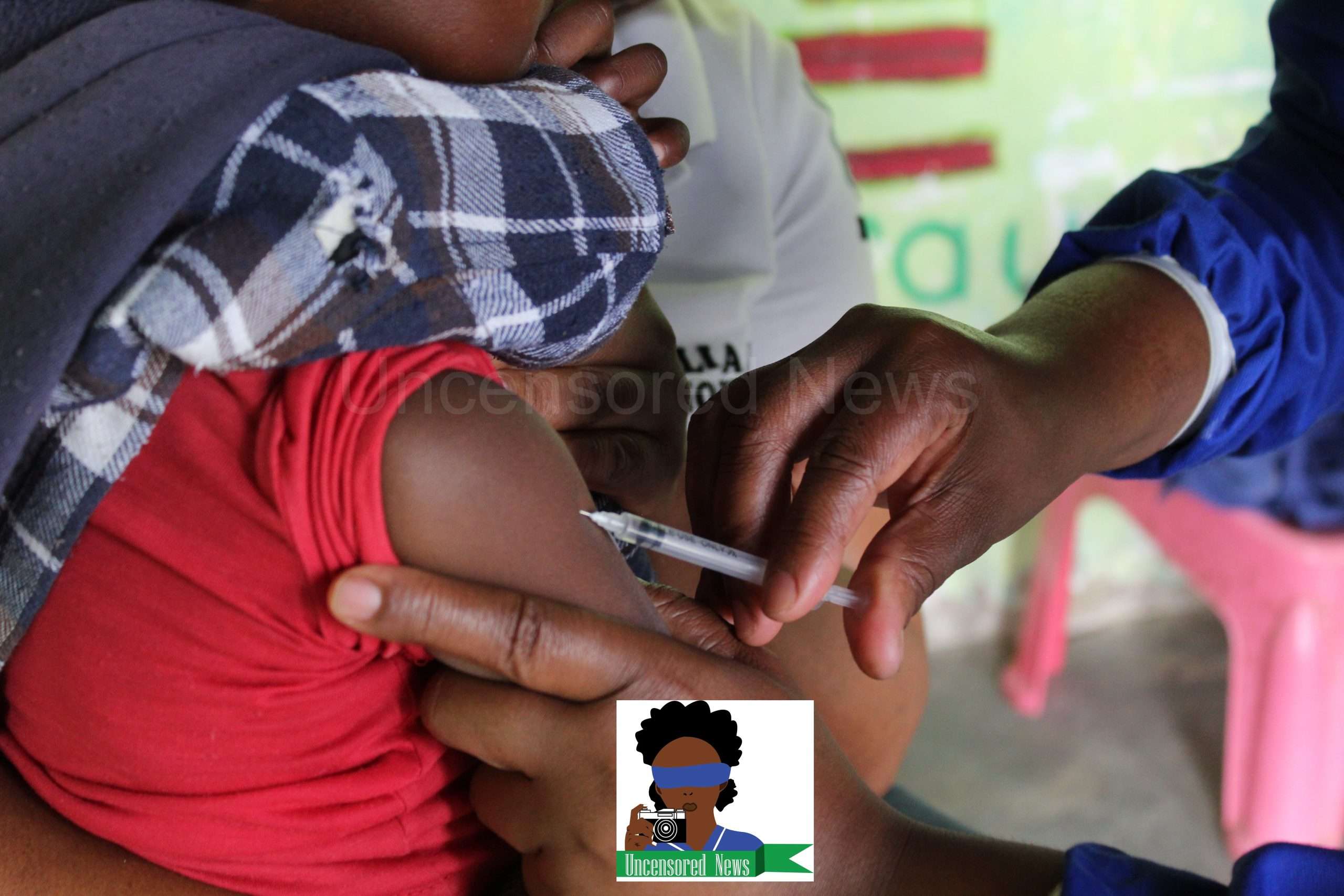
Following the measles outbreaks in Botha-Bothe and Leribe, the Ministry has now added measles vaccination and Vitamin A supplementation to the deworming campaign.
In an interview on 7 October 2026, Ministry of Health Deputy Expanded Programme on Immunisation (EPI) Manager, Susan Ramakhunoane, said the changes would apply specifically to Botha-Bothe because of the measles outbreak, while measles vaccination would also be conducted in Maputsoe, Leribe, another area where suspected cases of measles have been recorded.
“Because of the measles outbreak in Botha-Bothe, there will be changes in Botha-Bothe only regarding the coming deworming campaign set for 12-23 October 2026 in the districts of Thaba-Tseka, Qacha’s Nek, Botha-Bothe and Leribe,” Ramakhunoane said.
“We shall also vaccinate against measles in Maputsoe, Leribe, because it is another area in the district that has recorded suspected cases of outbreak. So because it is contained in one area, that is where our focus will be unless we have new developments of further spread, but we shall see.”
Meanwhile, Ministry of Health’s Acting Principal Secretary, Mantšoanelo Monyobi, said in Botha-Bothe district, Dr. Strong Thabo Makenete Hospital identified four suspected measles cases on 23 September 2026. Monyobi said of the four samples were sent to the National Reference Laboratory for testing, three were confirmed measles cases on 25 September 2026.
The confirmed cases were school-going children aged between six and 14 years from Urban, Likila and Nqoe Community Councils in Botha-Bothe. By 30 September 2026, the district had recorded 12 confirmed measles cases and 14 suspected cases.
The Ministry also reported that on 30 September 2026, six suspected measles cases were reported in Leribe among individuals aged 13 to 15 years from Maputsoe Community Council. District Rapid Response Teams in both Botha-Bothe and Leribe have since started contact tracing and active case finding to identify additional cases and ensure that appropriate prevention and control measures are implemented.
What is measles?
The Ministry of Health says measles is a highly contagious disease caused by the measles virus. It spreads easily from person to person through respiratory droplets when an infected person coughs, sneezes or breathes. Symptoms generally develop between seven and 18 days after exposure and can include fever, a red skin rash, cough, runny nose and red or watery eyes.
The Ministry warned that measles can cause serious complications, particularly among young children, pregnant women, people with malnutrition and those with Vitamin A deficiency. Complications can include pneumonia, severe diarrhoea, ear infections, inflammation of the brain, known as encephalitis, and death.
The Ministry said vaccination remains the best way to prevent measles and that measles-containing vaccines are safe and effective in providing strong protection against the disease.
As part of the outbreak response, the Ministry of Health and other local leadership and technical partners are carrying out active case finding and contact tracing in affected communities, managing identified cases and providing supportive care. It is also implementing infection prevention and control measures, including advising people with symptoms to stay away from schools, workplaces and public gatherings.
The Ministry is further assessing measles vaccination coverage to identify gaps and guide targeted vaccination and catch-up activities.
It has urged the public to ensure that children are up to date with routine vaccinations, including measles vaccination, and to seek medical care immediately if a child or adult develops a high fever and red rash, particularly when accompanied by cough, a runny nose or red or watery eyes.
People experiencing symptoms have also been advised to avoid school, work and public gatherings to reduce the risk of spreading measles and to inform health workers about possible measles symptoms when arriving at a health facility.
Community engagement
Ramakhunoane said the Ministry has already informed communities who were expected to receive deworming medicines that the service would now also include measles vaccination in response to the outbreak.
“The main difference is that for the vaccination, we will be expanding down to a younger age group starting at nine months, as we have observed that our children under five years old are affected by this outbreak,” Ramakhunoane said.
The integrated response will also include Vitamin A supplementation. Ramakhunoane said children from nine months and 15 years would receive Vitamin A alongside the measles vaccination.
“This means that while administering the measles vaccine, we will also provide Vitamin A supplements, which promote eye health to children aged nine months to 15 years, following the same approach,” she said.
She said the measles vaccination and Vitamin A administration had not been part of the original deworming campaign plan but had now been introduced because of the outbreak.
“Consequently, when the deworming campaign kicks off on Monday (12 October 2026), we will integrate measles vaccinations along with Vitamin A administration. This was not originally in the plan, but has been introduced specifically in response to the outbreak,” Ramakhunoane said.
The changes will, however, not affect all four districts in the same way. The Ministry had originally planned to combine the deworming campaign with immunisation activities, including Human Papillomavirus (HPV) vaccination and Tetanus-Diphtheria (Td) vaccination.
Ramakhunoane said the original HPV and Td vaccination plan would continue in the other three districts, but would be temporarily suspended in Botha-Bothe because the outbreak response had become an additional priority.
“We will set those aside and revisit them at another time, as managing the outbreak has now become an urgent, additional priority,” Ramakhunoane added.
